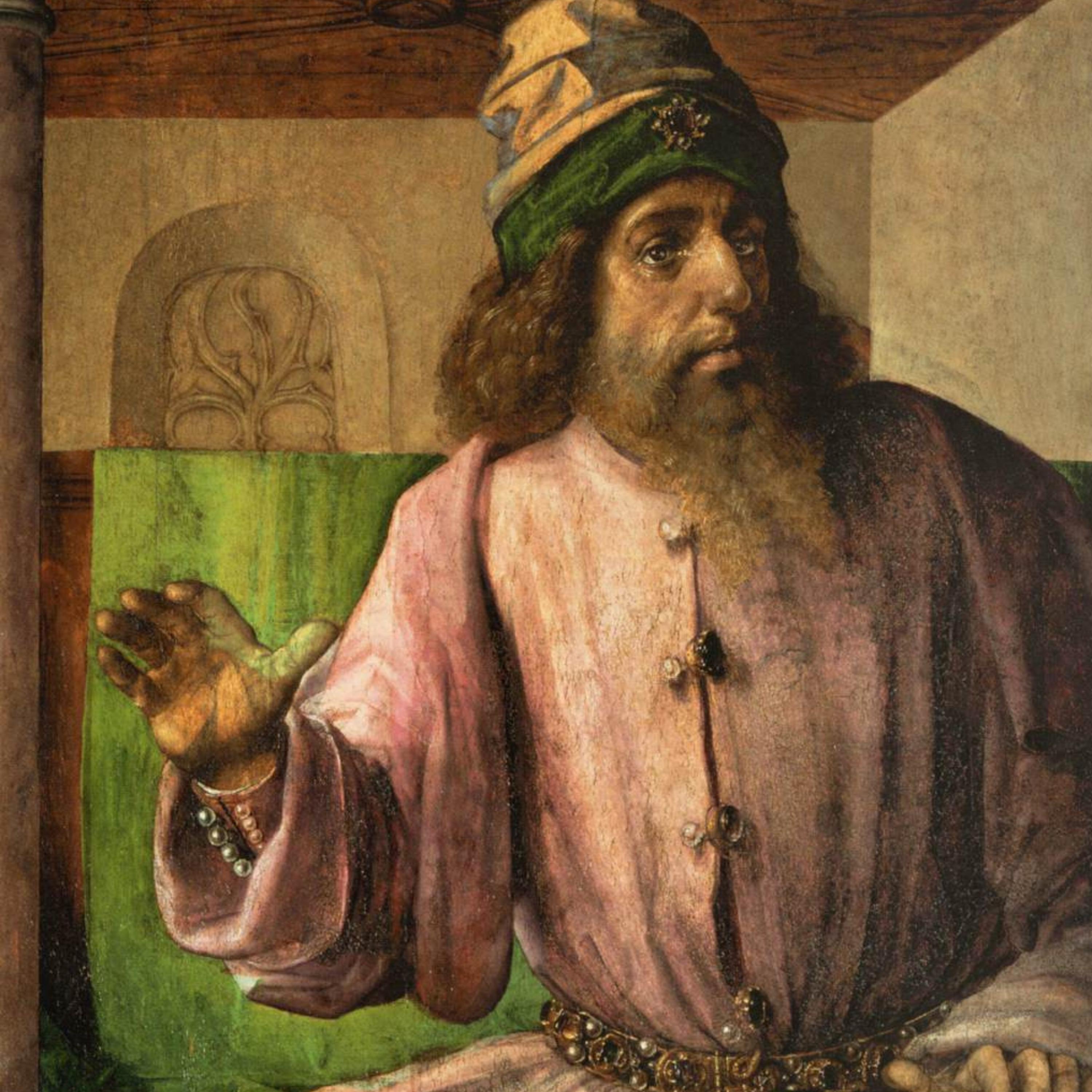
Aristotle, Telos, and Five Philosophers on Purpose
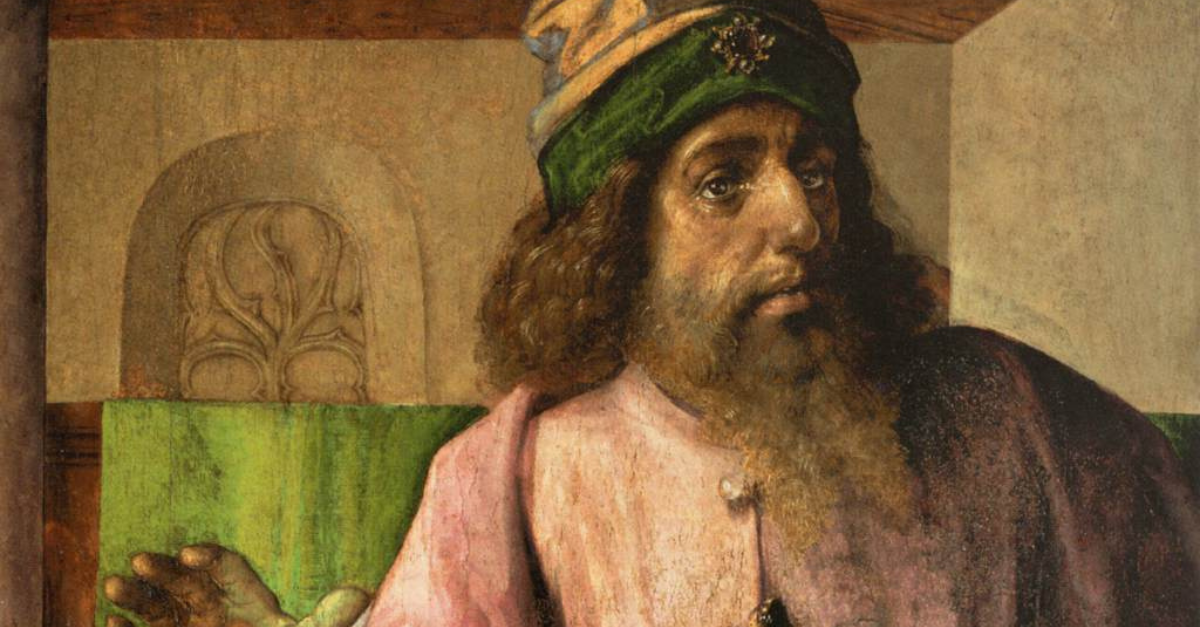
Aristotle claimed that every human being has a built-in purpose — a telos — and that a good life means living out that purpose well. This episode brings five thinkers to that claim, each testing it from a different angle. Karl Popper's charge sets the stakes: a fixed idea of human purpose, scaled up to an entire society, becomes a justification for power rather than a foundation for a good life. Alasdair MacIntyre, Hans-Georg Gadamer, and Philippa Foot each answer that charge on different grounds — through shared practices, through the nature of good judgment, and through what can be said, factually, about what a life needs to go well. Shannon Vallor takes the same question and applies it directly to artificial intelligence, asking what happens to human judgment once a technology capable of shaping billions of people's decisions enters the picture. Five thinkers, one open question, no single verdict.
Overview
Part 1 of my two-part look at Aristotle established telos and eudaimonia — a human being's built-in purpose and the flourishing life that comes from living it out — along with a key distinction: how a mind comes to know things is separate from what a human being actually is. Part 2 takes up the question that distinction leaves open. Popper raises the charge; MacIntyre, Gadamer, and Foot each answer it from a different angle; Vallor carries the same argument into the debate over artificial intelligence. I don't resolve it — five perspectives, no single verdict.
Key Moments from the Conversation
Popper
Popper argues that Aristotle's idea of built-in purpose becomes dangerous once it is scaled up. If an acorn is destined to become an oak, and Hegel later applies that same logic to whole nations, the result is a troubling idea: history has a fixed destiny, and whoever is in charge can claim they are simply fulfilling it. That makes their power hard to question. Popper is careful to clarify that he is really objecting to what Hegel did with Aristotle's idea, not to Aristotle himself — which leaves the door open for the rest of the episode.
MacIntyre
MacIntyre argues that Aristotle's idea never gets that big or that dangerous in the first place. It is really about one person's life, and the small community around them. Instead of some hidden inner destiny, he argues a good life comes from things like a craft, a sport, or a shared pursuit — things a person gets better at, and finds real satisfaction in, by actually doing them alongside others. He further argues that because a person's different commitments — family, work, community — can genuinely pull against each other, this leaves real room for hard choices. A rigid blueprint would not.
Gadamer
Gadamer argues that good judgment isn't the same as skill, and that difference matters. A skill can be taught once and applied the same way every time. Good judgment cannot — it only shows up in the moment, in a real situation that will never happen quite the same way again for any individual facing it. He points to the example of a judge: sometimes doing what's actually right means bending the strict letter of the law. Gadamer also revives Aristotle's warning about a person who is brilliant at reading people and situations but has no good character guiding them — which he argues is genuinely more alarming than simple incompetence.
Foot
Foot argues that saying something is “good for” a human being isn't just a matter of opinion — it's a fact, the same kind of fact as saying something is good for any living creature. She grounds this in a simpler example: a wolf with damaged legs is worse off, not because an observer feels bad for it, but because there is a plain fact about what wolves need to live as wolves. She argues the same logic applies to human beings, giving Aristotle's whole idea solid footing without needing religion or any grand theory behind it.
Vallor
Testifying before the U.S. Senate, Vallor warns that the AI narrative is performing what she calls a “troubling function”: convincing people that judgment itself no longer matters, because a machine will supposedly do it better. She scopes that warning specifically to decisions touching basic liberties and the opportunity to flourish — the kind of judgment self-government itself depends on. Drawing directly on Aristotle's own vocabulary, she names prudential judgment “the very core of phronēsis.” In her book The AI Mirror, she argues the systems now being trusted with that judgment “extract, amplify, and push forward” patterns from the past rather than exercising judgment about a present that never repeats — arriving, independently, at the same word this episode has been tracing since Aristotle.
For Further Reading
Primary Sources
Further Context
Questions to Consider Based on This Episode
1. If Aristotle's idea of human purpose only ever applies at the scale of one person and their immediate community, as MacIntyre argues, does Popper's warning about the mechanism historicism still apply to Aristotle himself — or only to what later thinkers did with his idea?
2. Foot argues that whether something is good for a human being isn't a matter of opinion — it's a plain fact about what kind of creature a human being is, the same way it's a plain fact that a wolf needs strong legs to live as a wolf does. Goodness, on her account, isn't a personal take we layer on top of human life. It's built into what a human being already is. If she's right, how does this explain those who deemed to act badly?
3. Testifying before the U.S. Senate, Vallor warns that the AI narrative is performing what she calls a “troubling function”: convincing people that judgment itself no longer matters, because a machine will supposedly do it better. She scopes this warning specifically to decisions touching basic liberties and the opportunity to flourish — the kind of judgment self-government itself depends on. In The AI Mirror, she argues the systems being trusted with that judgment “extract, amplify, and push forward” patterns from the past rather than exercising judgment about a present that never repeats — the very thing Gadamer says phronesis requires. If Vallor is right, what is actually at stake if a society keeps ceding that capacity — and is it one a society could get back once it's gone?
Connection to Notions of Progress
This episode is a good example of what I try to do as a curator: not settle Aristotle's question about human purpose, but let five serious thinkers press on it at full strength — including Vallor's own warning to Congress that the capacity for practical judgment is being quietly written out of how we're told to think about AI. I don't rank them or resolve the tension between them. That tension carries forward: the next arc asks what happens to ideas like Aristotle's when the stable community they assumed no longer holds.

Two Depressions, One Cause? Michael Roberts on 1873, 1929, and the Rate of Profit